California Privet Privacy Hedge Installation Along Block Wall
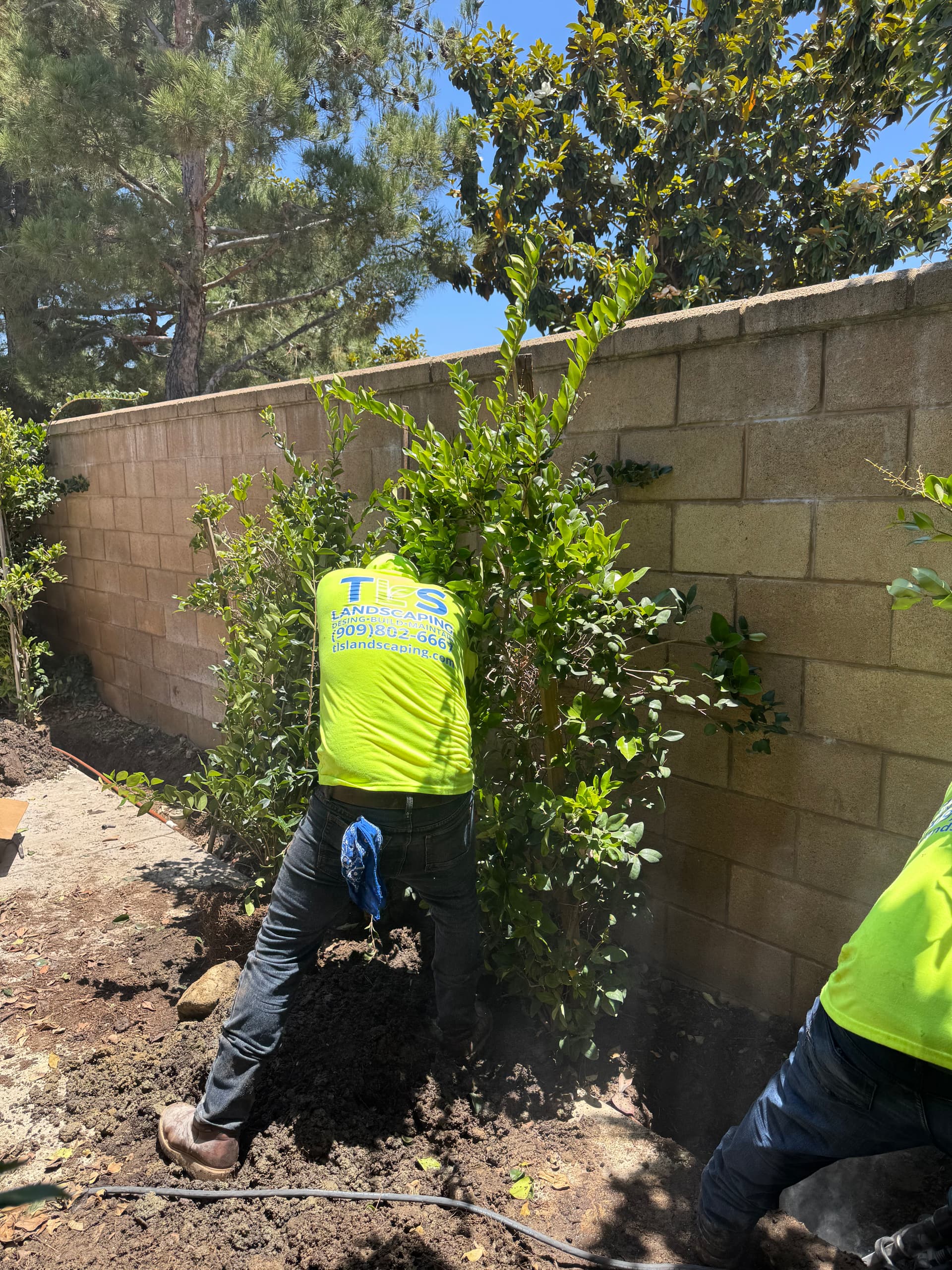
A lot of homeowners want privacy without putting their home at risk. That's the real challenge with planting near structures - the wrong species can send aggressive roots toward your foundation or underground pipes, and you won't know about it until it's already a problem.
That's exactly why plant selection matters as much as the planting itself. For this job, we went with California privet. It's a dense, fast-filling hedge that grows tall enough to create a solid visual barrier, but its root system is far more manageable near structures than a lot of other common privacy plants. It checks every box - looks clean, fills in well, and doesn't create headaches down the road.
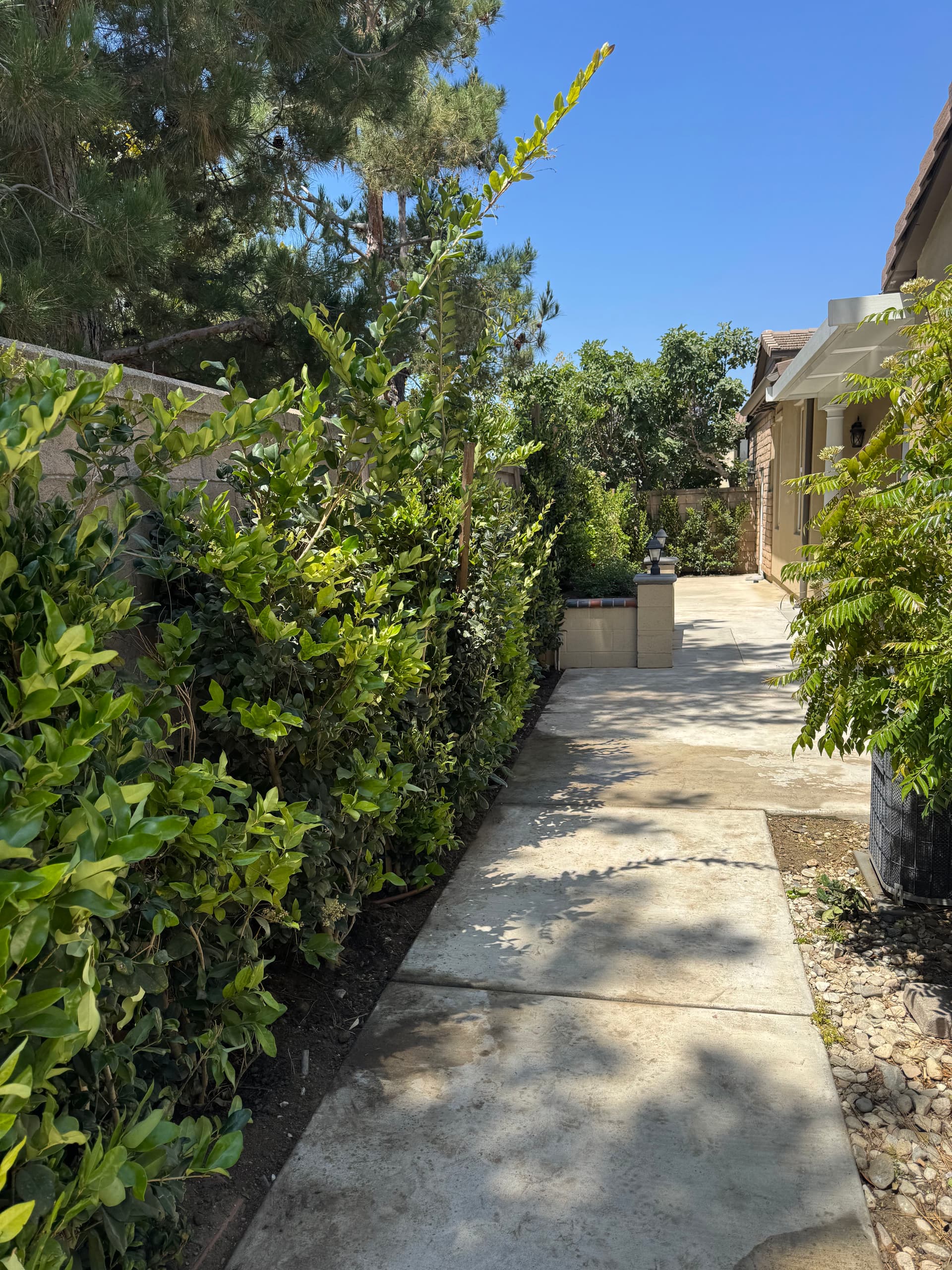
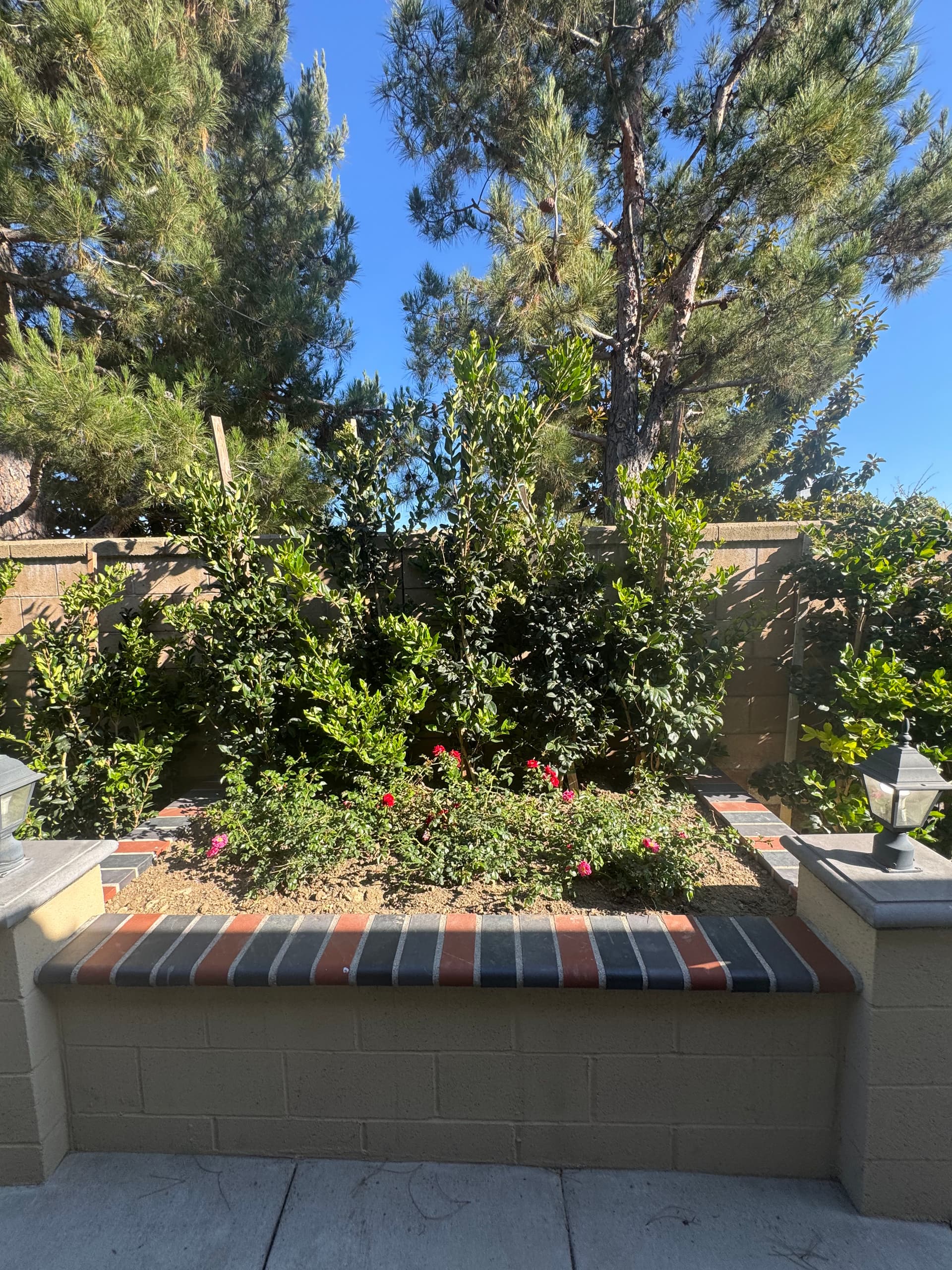
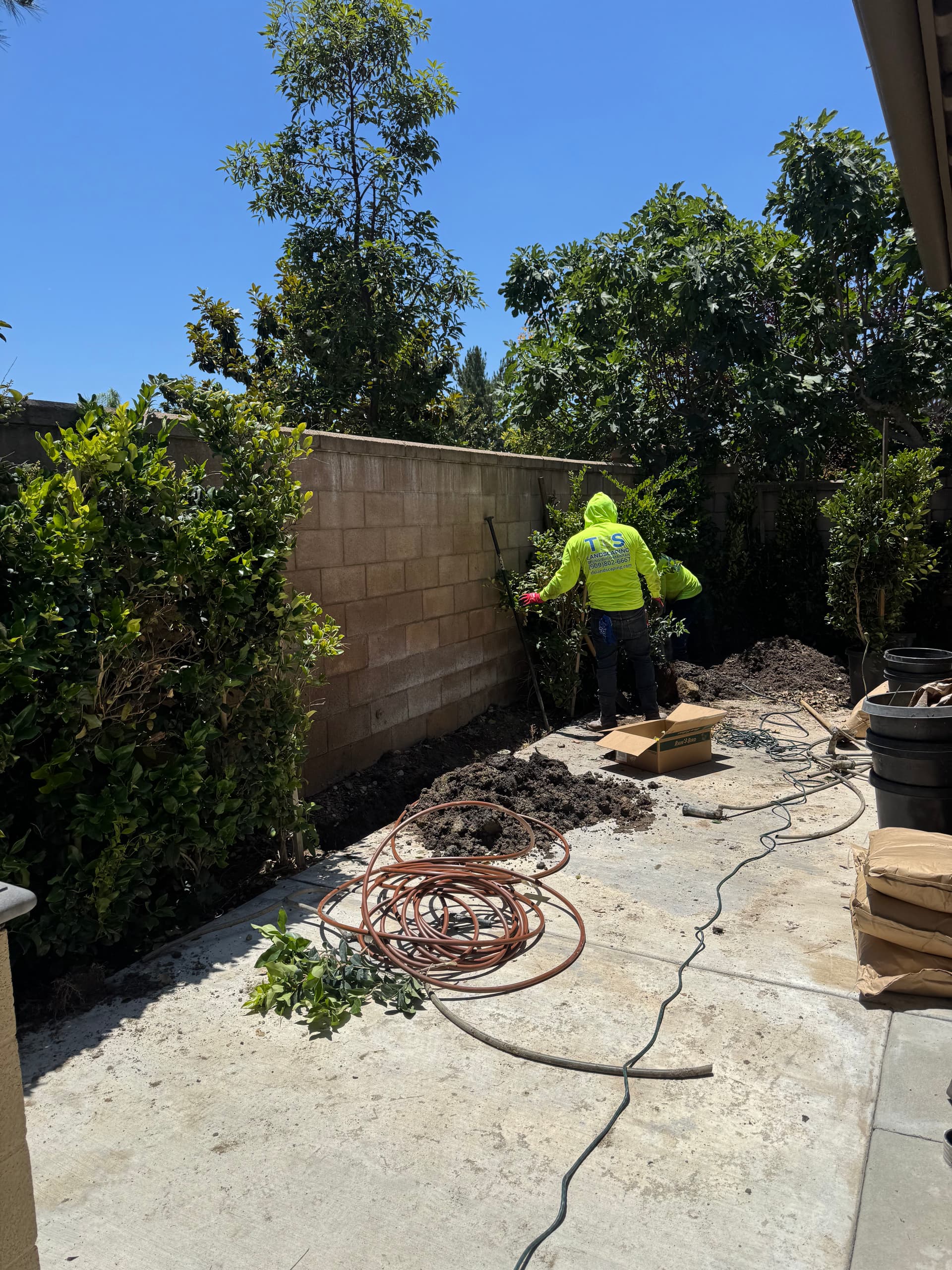
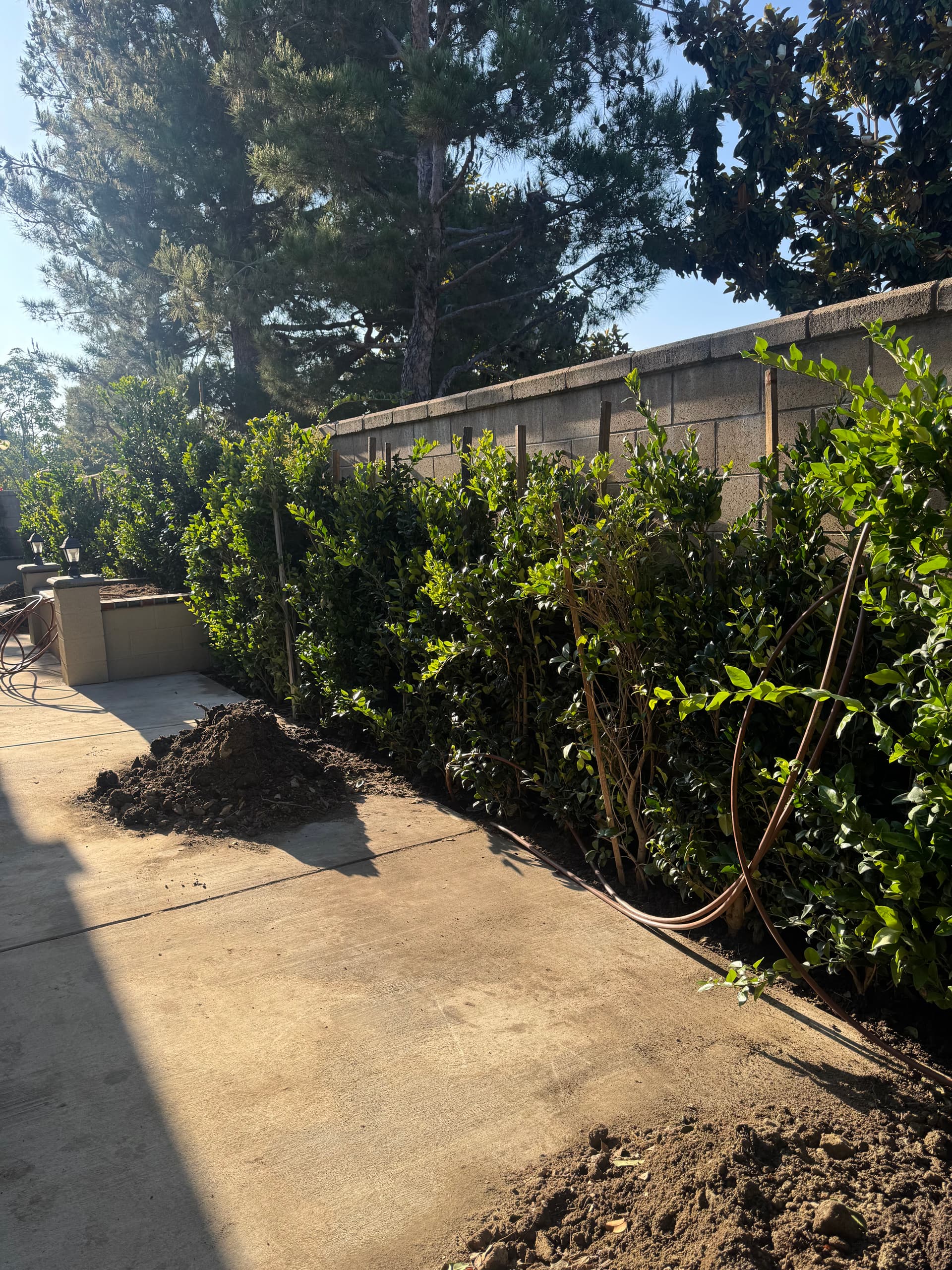
Here's what we were working with: a long block wall running alongside a concrete patio with a bare planting bed that offered zero privacy. The space had potential, it just needed the right plants placed correctly. We prepped the soil, set each plant at the right spacing to encourage full coverage as they grow together, and ran drip irrigation along the line to give them a strong start.
The difference between a privacy planting that thrives and one that struggles usually comes down to three things - the right plant for the location, proper installation depth and spacing, and a reliable irrigation setup from day one. We handled all three here, and you can already see the hedge starting to form a solid wall of green along the entire run.
If you've got a blank wall, a neighbor situation, or just want to carve out some separation in your outdoor space, a well-planned privacy hedge is one of the most practical things you can add to your yard. It's low-maintenance once established and adds real value to the property.